Portholes Overview
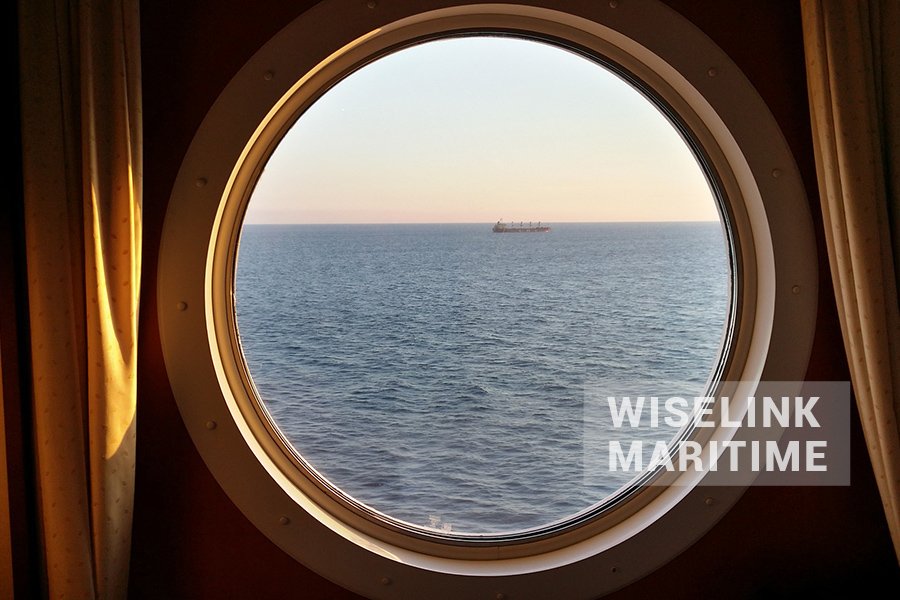
Portholes, also known as side scuttles, are small, circular, watertight windows installed on a ship's hull, superstructure, or deckhouse. While they may appear to be simple fixtures, portholes play several critical roles in the safety, comfort, and functionality of a vessel.
Marine portholes are vital components for ships and offshore structures, ensuring safe navigation, crew comfort, and reliable operation at sea. They deliver essential natural light and ventilation to cabins, engine rooms, control centers, and working areas, while maintaining excellent watertightness, airtightness, and pressure resistance to withstand harsh marine environments.
Our company provides a complete range of marine portholes, including fixed portholes, side-opening hinged portholes, deadlight portholes, storm portholes, fire-resistant portholes, and customized special portholes. Made of high-grade marine aluminum alloy or stainless steel, they comply with international marine standards and classification society requirements, combining sturdy structure, excellent sealing performance, and long service life to meet the needs of various vessels and offshore projects.
Product Details
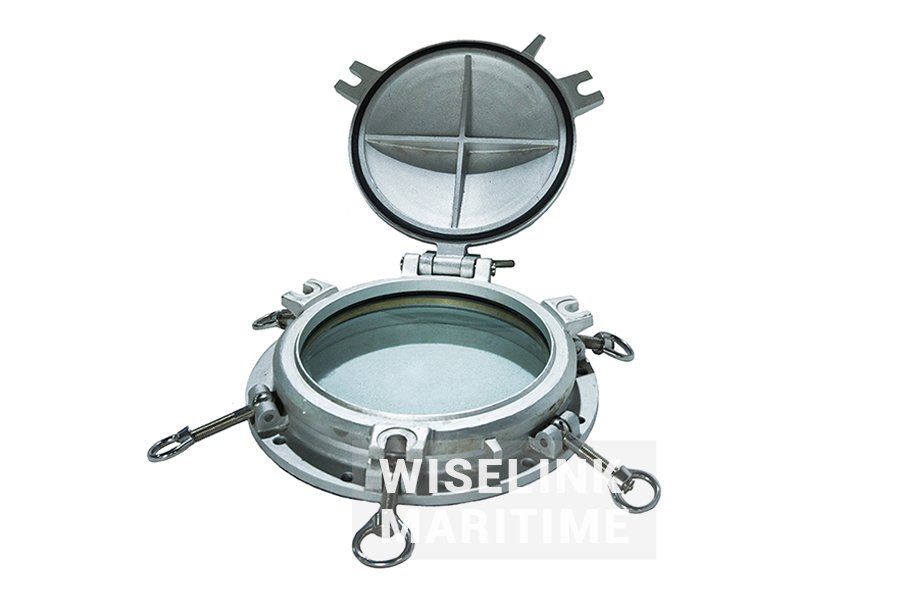
Heavy-Type Side Scuttle (Type A)
This is the most robust version, designed for installation below the freeboard deck or in the lower levels of the superstructure where high wave impact is expected.
Standard: ISO 1751 Type A.
Key Feature:Includes a heavy-duty internal metal Deadlight (a hinged secondary cover) that can be closed to ensure watertight integrity if the glass breaks.
Specifications:
- Nominal Sizes: 200 mm to 450 mm (clear diameter).
- Glass Thickness: 10 mm - 19 mm (toughened safety glass).
- Materials: Marine Brass, Cast Steel, or Stainless Steel.
Performance:Capable of withstanding extreme hydrostatic pressure and direct wave impact. It provides 100% watertightness in emergency storm conditions.
Light-Type Side Scuttle (Type B)
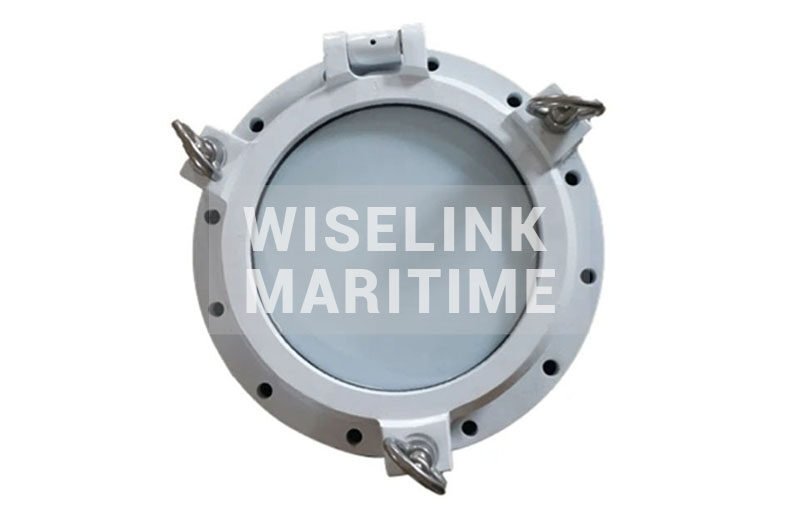
These are intended for use in the upper superstructure (e.g., bridge, upper cabins) where they are not subjected to direct green water impact but must remain weathertight.
Standard: ISO 1751 Type B
Key Feature: Lighter frame construction; may or may not include a deadlight depending on the specific deck level.
Specifications:
- Nominal Sizes: 200 mm to 500 mm.
- Glass Thickness: 8 mm - 12 mm.
- Materials: Marine-grade Aluminum Alloy (most common) or Stainless Steel.
Performance: Excellent weathertight performance against driving rain and wind; optimized for weight reduction on the upper decks.
Fixed vs. Opening Type
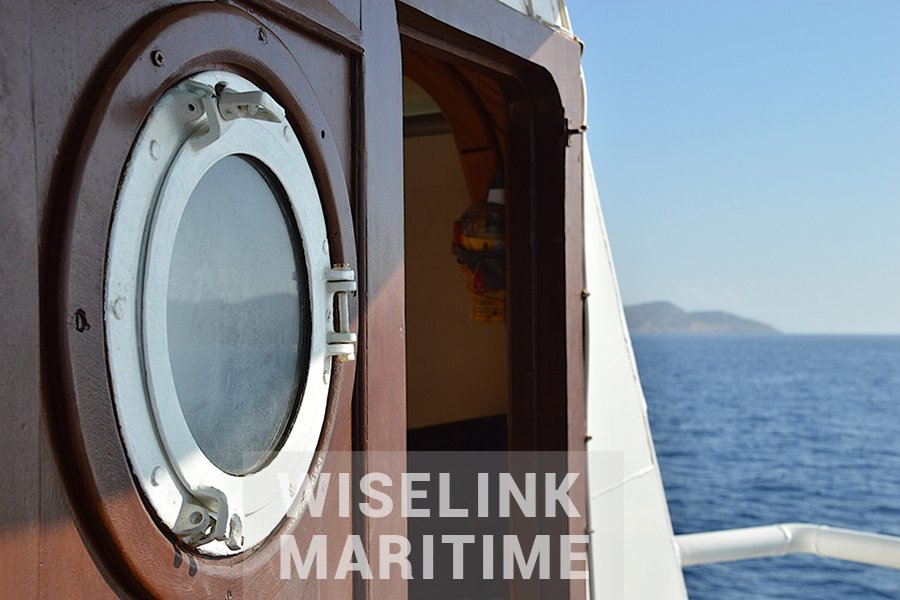
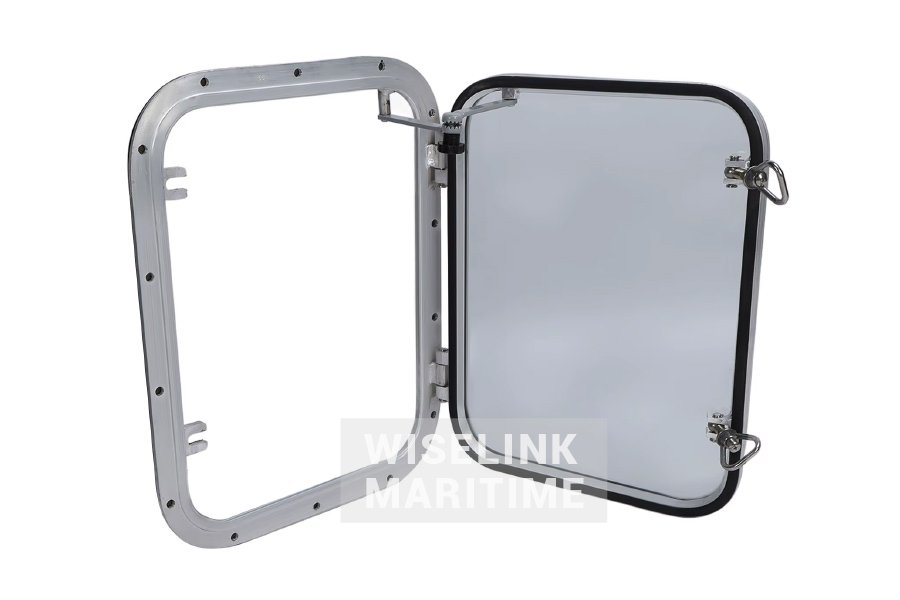
Opening Type (Hinged): The glass frame is hinged and can be opened for natural ventilation. It is secured by "dogs" (threaded wing nuts) to compress the gasket.
Fixed Type: The glass is permanently sealed in the frame. These are used where only light and visibility are required without the need for ventilation.
Specifications:
- Opening Angle:Typically 180° to clear the walkway.
- Gaskets: High-aging resistant EPDM or Silicone.
Performance: Opening types offer superior crew comfort, while fixed types offer higherstructural security and lower maintenance.
Why Source Portholes From Wiselink Maritime?

Application Area
Marine portholes are widely applied in various marine fields and onboard places, serving as essential components for both functional and safety purposes. They are mainly used in commercial ships, including bulk carriers, container ships, oil tankers, passenger ships, and cargo vessels, where they are installed in cabins, crew quarters, mess halls, control rooms, and engine rooms to provide natural lighting and ventilation.
No matter the type of vessel or offshore structure, portholes are installed in areas that need natural light, ventilation, or emergency observation, playing an important role in ensuring normal onboard operation and crew safety.